Morocco Accommodation Guide: A Complete Overview of Where to Stay
(Morocco Accommodation Guide …)The hammering from the silversmith’s workshop below woke me at dawn in my first riad in Fes, and I remember thinking my grandfather’s stories about the medina had never mentioned the acoustics. Five years of guiding travelers through Morocco’s accommodation landscape later, from teaching colleagues crashing in my Agdz apartment to luxury-seeking volunteers from my EU Corps work, I’ve learned that choosing where to stay in Morocco isn’t just about comfort—it’s about choosing your entire cultural experience.
Morocco offers accommodation experiences unlike anywhere else in the world, but understanding your options requires knowing not just what’s available, but how each choice shapes your journey through our diverse country. Whether you’re drawn to the imperial cities’ grandeur, the desert’s vastness, or the Atlantic coast’s rhythm, your accommodation becomes the lens through which you’ll see Morocco.
Understanding Morocco’s Accommodation Landscape
Morocco’s accommodation scene reflects our country’s fascinating complexity. In major tourist centers like Marrakech and Fes, you’ll find everything from restored 14th-century palaces to international hotel chains. Venture into the Atlas Mountains or desert regions like my beloved Draa Valley, and options become more intimate but no less authentic. The key lies in matching your accommodation choice to both your travel style and the experiences you’re seeking.
The cultural significance of hospitality runs deep in Moroccan society. My grandmother always said that a guest is a blessing from God, and this philosophy influences how Moroccans approach accommodation. Whether you’re staying in a family-run guesthouse in Chefchaouen or a luxury resort in Essaouira, you’re participating in centuries-old traditions of welcome and care.
Understanding seasonal patterns proves crucial for both availability and pricing. During Ramadan, many accommodations adjust their service rhythms, while the cooler months from October to April see peak demand in southern regions. Summer brings different dynamics, with coastal properties filling up while desert locations offer better rates but challenging temperatures.
Traditional Riads: Living in Moroccan Heritage
Riads represent Morocco’s most distinctive accommodation experience, and staying in one taught me more about our architectural wisdom than any history book ever could. These traditional courtyard houses, originally built for wealthy Moroccan families, transform visitors into temporary residents of the medina’s ancient rhythms.
The architecture tells stories. The central courtyard, always open to sky, creates natural air conditioning through convection cooling. Those thick walls that seem to block out the medina’s chaos were designed by our ancestors who understood that peace requires intentional separation from the street’s energy. When my students ask why riad rooms often lack windows to the outside, I explain it’s not secrecy but serenity—the courtyard provides light while maintaining family privacy.
Authentic riads in Fes and Marrakech offer experiences money can’t buy elsewhere. Imagine waking to the call to prayer echoing between centuries-old walls, taking breakfast on a rooftop terrace where you can see the Atlas Mountains beyond the medina’s labyrinth. The restored palace where I stayed during a family visit to Fes still housed the original zellige tilework created by craftsmen whose families continue the tradition today in the same workshops.
However, understanding riad etiquette enhances your experience immeasurably. These intimate spaces often house fewer than ten rooms, creating family-like atmospheres where other guests become fellow travelers in your Moroccan story. The staff, usually local families who’ve worked in hospitality for generations, offer insights no guidebook contains. They’ll tell you which hammam opens earliest, which spice vendor gives honest prices, which streets to avoid after dark.
Booking riads requires different strategies than hotels. Many authentic options don’t appear on international booking platforms, operating through local networks and word-of-mouth recommendations. The best riads in prime medina locations often book months ahead for peak season, but they also offer incredible value during shoulder periods.
Prices vary dramatically based on location, restoration quality, and included services. A basic riad room in Marrakech might cost 400-800 MAD per night, while luxury palaces can exceed 3000 MAD. The middle range, around 1000-1500 MAD, often provides the sweet spot where comfort meets authenticity without sacrificing either.
Desert Camps: Sleeping Under Saharan Stars
My first night in a desert camp near Merzouga changed my relationship with Morocco forever. Growing up in Casablanca, the Sahara felt like another country until I experienced the profound silence that descends when the last camel bells fade and stars emerge in numbers city dwellers never see.
Desert camps range from basic Berber tents with shared facilities to luxury installations with private bathrooms and gourmet cuisine. The traditional camps, often family-run operations passed down through generations of desert guides, offer experiences that luxury versions struggle to replicate. Sharing mint tea around campfires while listening to Gnawa music performed by guides whose fathers taught them the same songs creates connections that transcend typical tourist experiences.
Understanding desert camp logistics proves essential for realistic expectations. Permanent camps, accessible by 4×4 vehicle, offer more amenities but sacrifice some authenticity. The camps requiring camel treks to reach provide more adventure but demand physical preparation and flexible attitudes toward comfort. When I guide visitors to our local desert areas around Agdz, I always explain that the desert teaches patience—schedules become suggestions when sandstorms or equipment issues arise.
Seasonal considerations dramatically affect desert camping experiences. Winter nights can drop below freezing, requiring serious sleeping gear that basic camps might not provide. Summer heat makes daytime activities nearly impossible, concentrating experiences into dawn and dusk hours. Spring and autumn offer ideal conditions but command premium prices due to high demand.
The cultural exchange potential in desert camps exceeds almost any other accommodation type. Desert families often invite guests to participate in daily activities like bread baking, henna application, or traditional games. My students from nomadic backgrounds taught me that desert hospitality follows different rules than city customs—generosity flows more freely because survival depends on mutual support.
Pricing structures in desert camps often include meals, activities, and transportation, making comparison complex. Budget camps start around 800 MAD per person including dinner and breakfast, while luxury options can exceed 2500 MAD. The middle tier, around 1200-1800 MAD, typically provides comfortable accommodations with authentic cultural programming.
Mountain Lodges and Guesthouses: Atlas Adventures
The Atlas Mountains reveal Morocco’s incredible geographical diversity, and accommodation options reflect this variety beautifully. From Berber villages clinging to impossible slopes to French colonial-era mountain stations, staying in the Atlas requires different expectations than city or desert experiences.
Traditional Berber guesthouses offer unparalleled cultural immersion opportunities. These family-run establishments, often converted from traditional homes, place you within communities where Tamazight languages predominate and ancient customs persist alongside modern conveniences. The hospitality follows mountain traditions where sharing meals becomes ceremonial and weather conditions create natural community bonds.
Mountain weather patterns dramatically influence accommodation availability and comfort levels. Snow can close high-altitude lodges from December through March, while summer heat makes lower elevations less comfortable. The shoulder seasons of spring and autumn provide ideal conditions for trekking-based accommodation experiences.
Trekking lodges designed for serious mountain enthusiasts offer different experiences than village guesthouses. These establishments, often positioned along popular trekking routes like the Toubkal circuit, cater to hikers requiring early starts, packed lunches, and equipment storage. The cultural exchange happens differently here, often through shared challenges and mountain guides who become temporary family members.
Practical considerations for mountain accommodation include altitude adjustment, temperature variations, and limited connectivity. Unlike city hotels, mountain lodges often operate on generator power, creating quiet hours and encouraging social interaction over screen time. The dining experiences reflect local ingredients and cooking methods, with tagines prepared over wood fires creating flavors impossible to replicate elsewhere.
Coastal Resorts and Beach Hotels: Atlantic and Mediterranean Options
Morocco’s coastline offers accommodation experiences ranging from international luxury resorts to local fishing village guesthouses. The Atlantic coast, with its consistent surf and fresh seafood, attracts different travelers than the Mediterranean’s calmer waters and European influences.
Essaouira represents Morocco’s most developed beach destination while maintaining authentic character. The accommodations here, from restored colonial buildings to modern boutique hotels, reflect the city’s unique position as both tourist destination and working port. Staying within the medina walls places you among Portuguese architecture and contemporary Moroccan life, while beachfront properties offer direct ocean access with less cultural immersion.
Agadir’s resort corridor provides Morocco’s most conventional beach holiday experience. The international hotel chains here offer familiar amenities and service standards but limited authentic Moroccan character. However, for travelers seeking comfort-focused beach holidays with family-friendly amenities, these establishments deliver reliable experiences with easy cultural excursions available as day trips.
Smaller coastal towns like Asilah and Oualidia offer intimate accommodation experiences where fishing village rhythms dictate daily schedules. The guesthouses here often source seafood directly from returning boats, creating dining experiences that change with ocean conditions and seasonal catches.
Understanding coastal accommodation seasonality proves crucial for both availability and value. Summer months bring peak prices and crowds, particularly around European vacation periods. Spring and autumn offer excellent weather with moderate prices, while winter can provide exceptional value despite cooler temperatures and stronger Atlantic conditions.
Budget Options: Hostels and Economy Hotels
Morocco’s budget accommodation scene has evolved dramatically in recent years, with modern hostels complementing traditional cheap hotels to serve growing numbers of backpackers and budget-conscious travelers. Understanding your options helps balance cost savings with safety and cultural experience opportunities.
Modern hostels in major cities like Marrakech, Fes, and Casablanca provide international standards with Moroccan touches. These establishments typically emphasize social spaces, organized activities, and practical amenities like laundry facilities and luggage storage. The cultural exchange happens primarily among international travelers rather than with local communities, but the cost savings enable longer stays and more extensive exploration.
Traditional budget hotels, particularly those near transport hubs and markets, offer authentic local experiences at rock-bottom prices. These establishments cater primarily to Moroccan travelers and offer glimpses into domestic travel culture. However, comfort levels and English language support vary significantly, requiring flexible attitudes and basic Arabic phrases for optimal experiences.
Shared accommodation options through platforms like Airbnb have expanded rapidly in tourist areas, offering apartment rentals and private rooms in local homes. These options provide excellent value for small groups while enabling kitchen access for self-catering. The cultural exchange potential depends heavily on host engagement and location within residential neighborhoods versus tourist zones.
Rural budget options often provide the highest cultural exchange value per dirham spent. Village guesthouses, particularly in Atlas regions and smaller oasis towns like my home base of Agdz, offer authentic experiences with minimal infrastructure investment. The trade-off involves limited amenities but maximum community interaction.
Luxury Accommodations: Premium Moroccan Experiences
Morocco’s luxury accommodation sector showcases the country’s ability to blend traditional architecture with modern amenities at world-class levels. These establishments, from restored royal palaces to contemporary resort developments, offer experiences that justify premium pricing through attention to detail and cultural authenticity.
Luxury riads in prime medina locations provide intimate experiences that large hotels cannot replicate. These properties, often housing fewer than fifteen rooms, offer personalized service levels approaching private residence experiences. The restoration quality typically maintains historical authenticity while incorporating modern conveniences like air conditioning, updated bathrooms, and WiFi connectivity.
Desert luxury camps represent Morocco’s most unique premium experiences. These installations combine authentic desert environments with amenities like private bathrooms, gourmet dining, and comfortable bedding that make Saharan experiences accessible to travelers who might otherwise avoid camping. The cultural programming often includes private performances, cooking classes, and guided exploration with expert local guides.
Coastal luxury resorts provide international resort experiences with Moroccan cultural elements. Properties in destinations like Mazagan and Taghazout offer golf courses, spa facilities, and multiple dining options while incorporating traditional architectural elements and local cultural programming.
Mountain luxury lodges offer exclusive access to Atlas experiences through helicopter transfers, private guides, and customized trekking programs. These establishments cater to travelers seeking adventure with premium comfort levels and personalized service that adapts to changing weather and individual preferences.
Unique and Themed Accommodations
Morocco’s creative accommodation sector continues expanding with properties that offer specialized experiences beyond traditional categories. These establishments cater to specific interests while providing distinctive ways to experience Moroccan culture and landscapes.
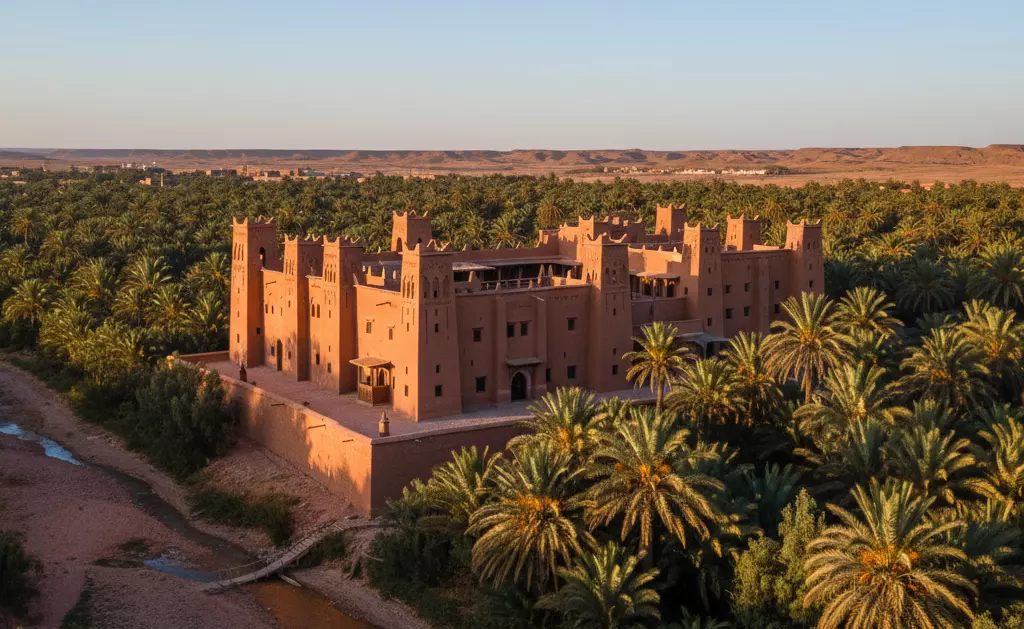
Kasbah hotels throughout the south preserve historical fortress architecture while offering modern accommodations. These properties, particularly along the former caravan routes through the Draa Valley and Dades Gorges, provide insights into Morocco’s strategic trading history while serving as bases for regional exploration.
Ecological lodges, particularly in the Atlas Mountains and along less developed coastlines, demonstrate Morocco’s growing environmental consciousness. These establishments often incorporate solar power, water conservation, and local materials while offering educational programs about regional ecosystems and traditional sustainable practices.
Artist residencies and creative retreats have emerged in locations like Essaouira and the Atlas Mountains, offering accommodations combined with workshop spaces and instruction in traditional crafts, music, or visual arts. These programs provide cultural immersion through creative expression while supporting local artisan communities.
Agricultural stays, particularly in the fertile regions around Fes and Meknes, offer hands-on experiences with traditional farming methods, seasonal harvests, and food preparation techniques. These accommodations provide insights into rural Moroccan life while supporting sustainable agriculture initiatives.
Practical Booking and Selection Strategies
Successfully navigating Morocco’s accommodation options requires understanding booking platforms, payment methods, and cultural expectations that differ from Western hospitality norms. Planning ahead while maintaining flexibility creates optimal experiences regardless of budget or travel style.
Booking platforms serve different accommodation types with varying effectiveness. International sites like Booking.com and Agoda provide reliable options for hotels and modern riads but often miss authentic local establishments. Specialized Morocco platforms and direct contact with properties often reveal better options and prices, particularly for longer stays or group bookings.
Payment methods and deposit requirements vary significantly across accommodation types. Many riads and guesthouses prefer cash payments or bank transfers rather than credit cards, requiring advance planning for large transactions. Understanding cancellation policies proves particularly important during peak seasons when alternative accommodations become scarce.
Language considerations affect booking processes and stay experiences. While major tourist areas operate with multilingual staff, rural accommodations often require French or Arabic communication. Learning basic courtesy phrases and travel vocabulary enhances experiences while demonstrating cultural respect.
Seasonal timing strategies can dramatically impact both costs and availability. Booking peak season accommodations (October through April for southern Morocco, July through August for coastal areas) requires advance planning but offers optimal weather conditions. Shoulder seasons provide excellent value with acceptable weather trade-offs.
Cultural Etiquette and Expectations
Understanding Moroccan hospitality customs enhances accommodation experiences while demonstrating respect for local traditions. These cultural considerations apply across all accommodation types but become particularly important in family-run establishments and rural settings.
Greeting customs in Moroccan accommodations follow traditional patterns where hospitality takes precedence over efficiency. Taking time for proper introductions, accepting offered mint tea, and showing interest in family photographs or local recommendations creates positive relationships that improve your entire stay experience.
Expectations
Privacy expectations differ from Western norms, particularly in traditional riads and guesthouses where communal spaces encourage interaction while respecting personal boundaries. Understanding when social engagement is appropriate versus when quiet respect is preferred requires observing local cues and following host guidance.
Dining customs in Moroccan accommodations often include communal meals, shared dishes, and specific etiquettes around bread, hand washing, and conversation topics. Participating respectfully in these traditions provides cultural insights while supporting the hospitality traditions that make Moroccan accommodation experiences unique.
Religious considerations, particularly during Ramadan, affect accommodation operations and social dynamics. Understanding prayer times, fasting requirements, and celebration customs enables respectful participation in daily rhythms while avoiding inadvertent cultural insensitivity.
Morocco’s accommodation landscape offers experiences impossible to find elsewhere in the world, from sleeping in Saharan silence to waking in centuries-old palaces where sultans once held court. The key to choosing perfectly lies not in finding the most luxurious or cheapest option, but in matching your accommodation to the Morocco you want to discover.
My grandfather used to say that a house becomes a home when stories are shared within its walls. Whether you choose a simple mountain guesthouse or a luxury desert camp, your Moroccan accommodation will become part of your story, shaping how you understand our beautiful, complex country. The hospitality you’ll encounter, from the humblest village lodge to the grandest riad, reflects Morocco’s greatest gift to travelers: the generous spirit that transforms strangers into guests, and guests into friends.
Othmane Elmohib is a Moroccan travel content creator from Casablanca with roots in Fes. After 5 years teaching English in Agdz, he now shares authentic Morocco experiences through imfrommorocco.com and moroccancivilization.com. Connect with him for sustainable travel tips and cultural insights from a local perspective.